by Giacomo Gambassi, Rome
March 18, 2026
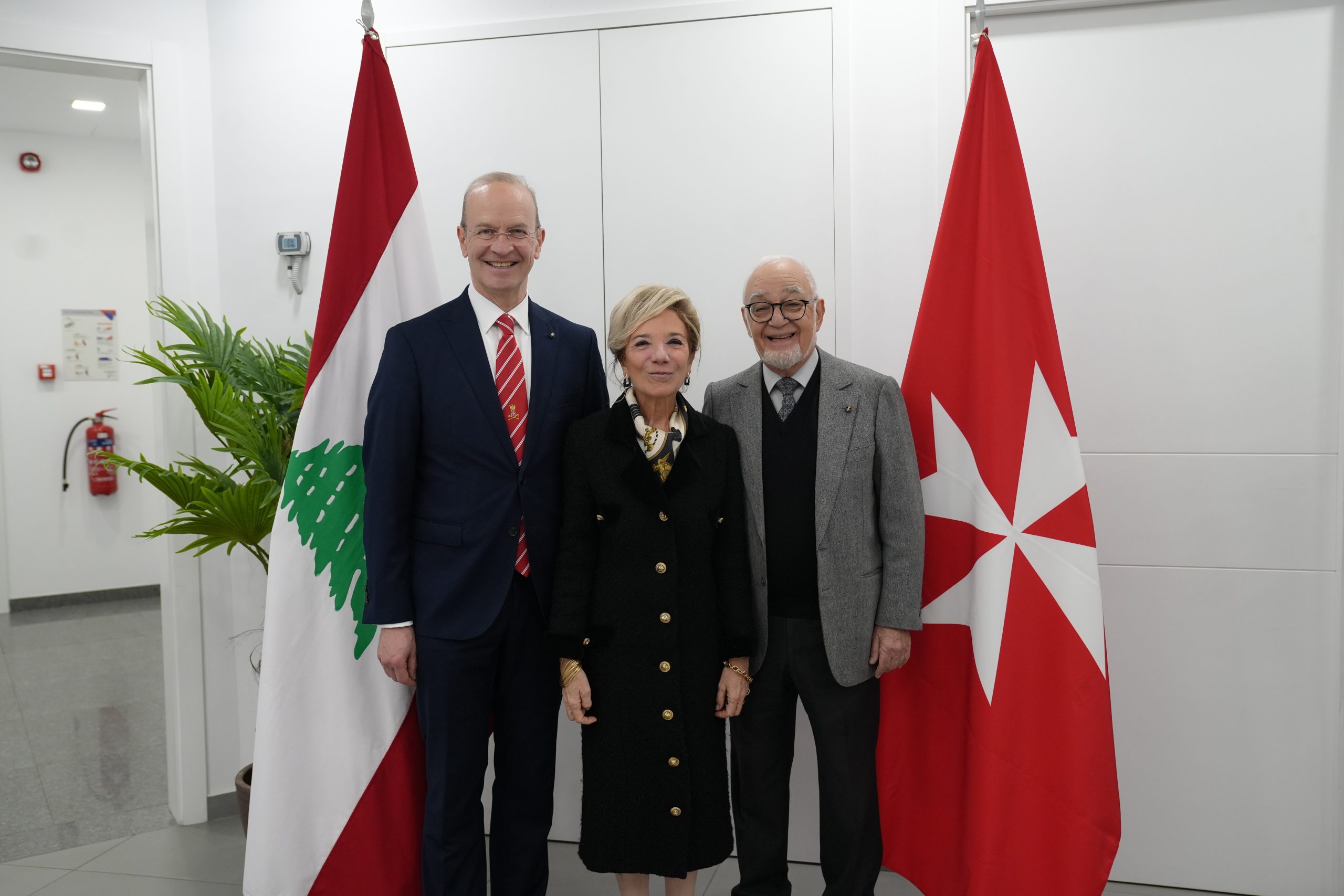
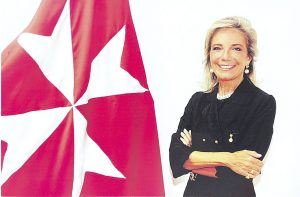
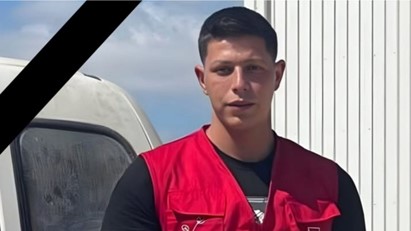
Her Excellency Ms. Cortese, Ambassador of the Order of Malta in Beirut: “Young Chadi was shot dead while helping to restore internet access to residents who refused to leave a Christian village in the south. With the attacks and the displacement of people, it will be a humanitarian tragedy if the conflict drags on.”
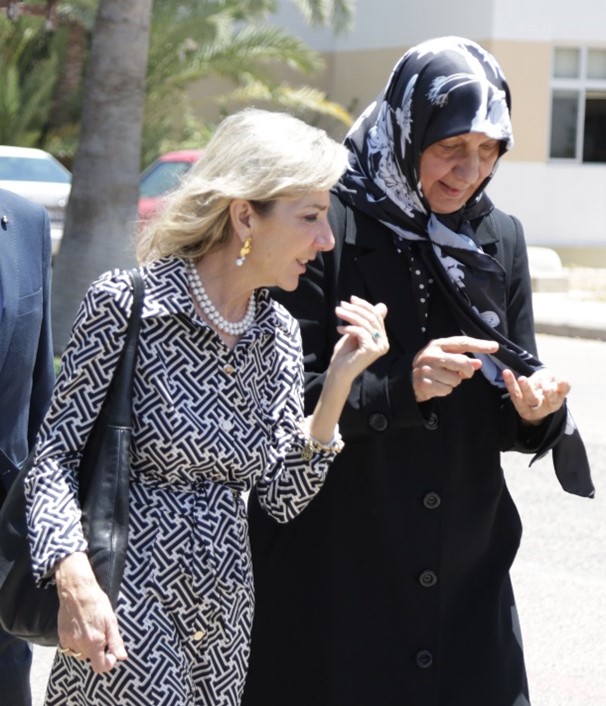
“We are not responsible for this war; we do not want to leave.” Ambassador Maria Emerica Cortese has heard these words repeated many times in recent days. “Christians in southern Lebanon are reporting this from villages that have come under heavy attack and a largely destroyed area,” says the Order of Malta’s diplomatic representative in Beirut. An order that has maintained diplomatic relations with the country for 73 years and which, in less than twenty days of conflict, has already suffered its first casualty, killed during a raid carried out by Tel Aviv in one of the Christian towns near the border with Israel: Shadi Ammar. He was 20 years old.
“This shows how close the Order is to the people, even when they are under bombardment,” explains Cortese. She continues: “Chadi was part of our team in the agro-humanitarian department. He worked to promote food security at the Ain Ebel agricultural center. ” The town where he lost his life last week. “At the time of the attack, around 6 p.m., he was on the roof of a building with two other young men who had refused to leave the village, trying to restore the internet connection so that the remaining residents could stay connected to the rest of the world. All three died.” The Order, one of the oldest charitable institutions on the planet, is sounding the humanitarian alarm. “The country has been facing war and occupation since 1975,” the ambassador states. But recent years have been marked by truly traumatic events: the 2020 Beirut port explosion that claimed over two hundred lives, the COVID-19 pandemic, the financial crisis, and the war between Israel and Hezbollah, which ended with the November 2024 ceasefire. This is why Lebanon is unable to withstand a crisis like the current one. A crisis that, if it persists—and unfortunately there is every reason to believe it will not be short-lived—risks turning into a humanitarian tragedy.”
The ceasefire just over a year ago. And now war again. A tormented country?
“Lebanon has been plunged back into war, reopening a wound that has never fully healed. The hard-won hopes for stability have quickly faded, giving way to a new spiral of violence and uncertainty. Once again, civilians are paying the highest price: families forced to flee, towns emptied once more, lives put on hold as they wait for a future that seems to be slipping away.”
Southern Lebanon has a significant Christian presence.
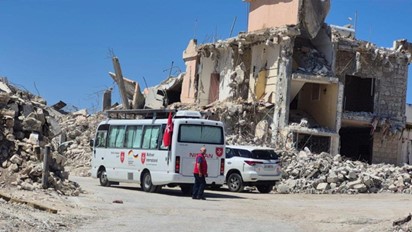
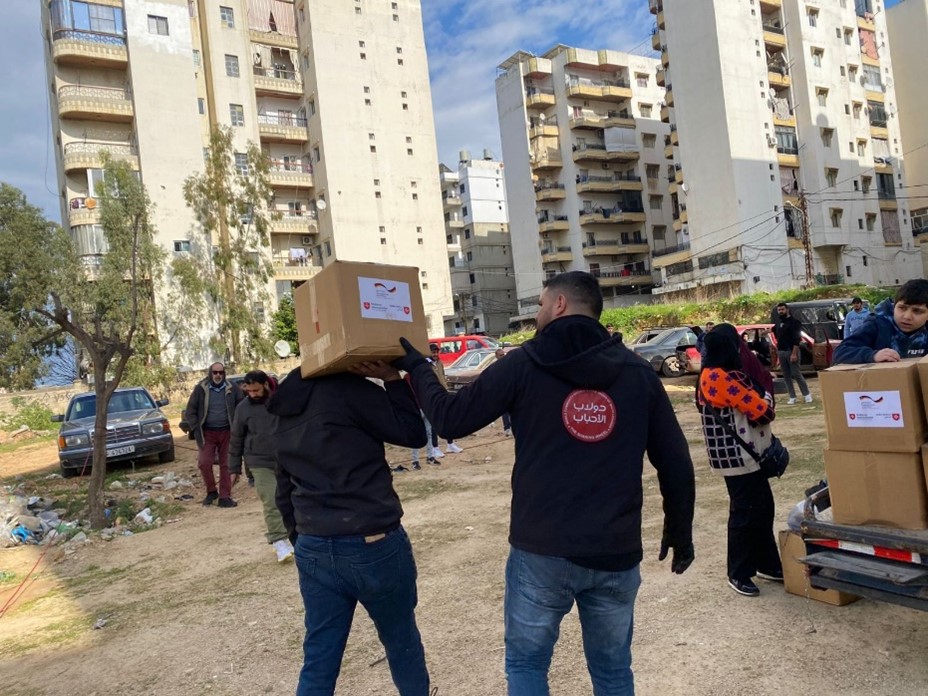
“Christians do not want to abandon their homes, their churches, or their land. ‘This is the land of our ancestors,’ they say. And the Order of Malta is there to help them with our staff and our mobile medical units that brave the bombs. Of course, the situation is critical throughout the country. More than 1,500 people have died. In Beirut, life is punctuated by the roar of explosions. More than a million people have been displaced, bringing the nation back to the state of emergency of 2023. You are forced to leave everything behind: from personal mementos to basic necessities, like clothing, and often you also leave the elderly behind because they have no intention of evacuating. The government has set up 596 shelters, which are essentially public schools and gyms: but they are insufficient. So we see entire families sleeping on the streets and living on the sidewalks. And now, the temperatures are certainly not high; moreover, the humidity is high. As the Order of Malta, we are active in 70 shelters, we serve meals, we provide healthcare, we distribute “dignity kits,” we support young people especially from a psychological standpoint, and we go into the villages.”
War returned just as Lebanon was showing signs of recovery.
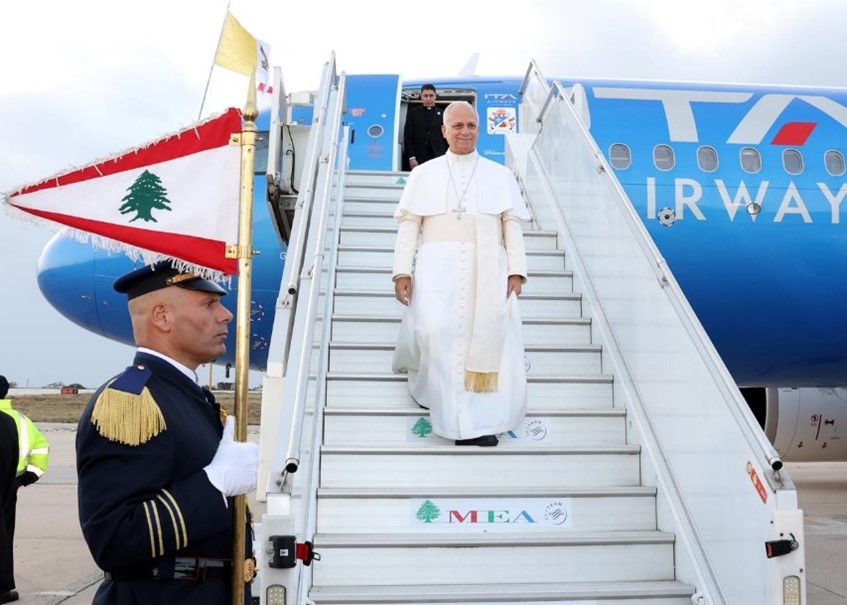
“King Leon XIV’s visit in December also served as a boost to confidence. A sort of renaissance had begun in the country, especially with the new head of state and the new prime minister.”
Are there any glimmers of hope?
“The Lebanese people possess an extraordinary capacity for resilience and a tenacious desire to start anew after every crisis that strikes a land so wonderful, with a history stretching back a thousand years.”
You were present during Pope Leo XIV’s visit. What impact did he leave?
“The Pope is very close to Lebanon, as the Holy See has always been. His sincere appeals can touch the consciences of those who hold the fate of nations in their hands and help them understand that violence is never the solution to problems. Moreover, the Christian presence in Lebanon—one of the largest in the region—is working to promote peace throughout the Middle East and demonstrates how interfaith dialogue is fundamental to the peace process.”
UN peacekeepers are set to withdraw from the border between Lebanon and Israel following a United Nations decision. The withdrawal is scheduled to be completed in 2027. Are you concerned?
“I’m sorry than anything else; the UNIFIL mission has also actively collaborated with the Lebanese branch of the Order of Malta on humanitarian efforts to assist the local population.”